Invasive Plant Removal in the City of Senica

Address
Mesto SenicaŠtefánikova 1408/56
905 25 Senica
IČO: 00 309 974
https://senica.sk/
Contact person
Magdaléna Veselá+421 918 812 931
magdalena.vesela@senica.sk
View profile
Description
The City of Senica, in cooperation with the DAPHNE Institute of Applied Ecology, is implementing a project focused on mapping and removing invasive plant species within the city. Its aim is to limit their spread and establish a basis for a systematic approach to their control.
The first step involved a detailed field survey and mapping of invasive plant occurrences. Based on the findings, problem areas were identified and intervention priorities established. Approximately 70% of the mapped locations are situated on municipal land or extend across both municipal and privately owned land.
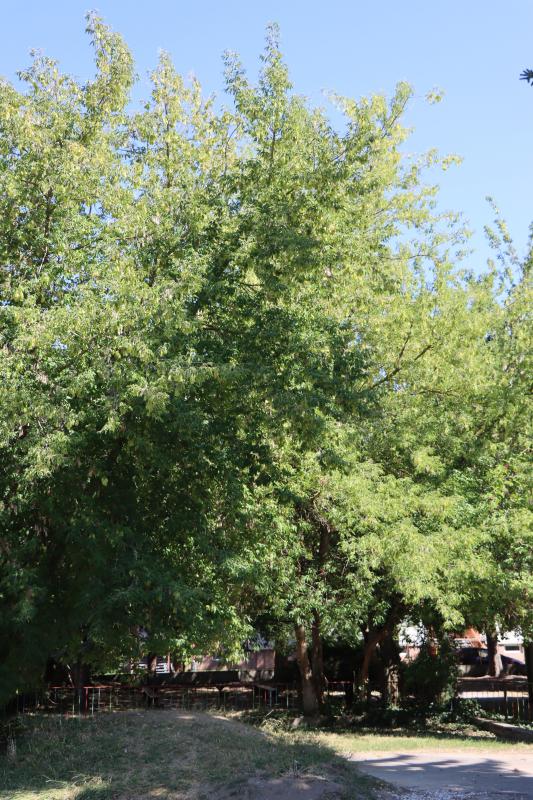
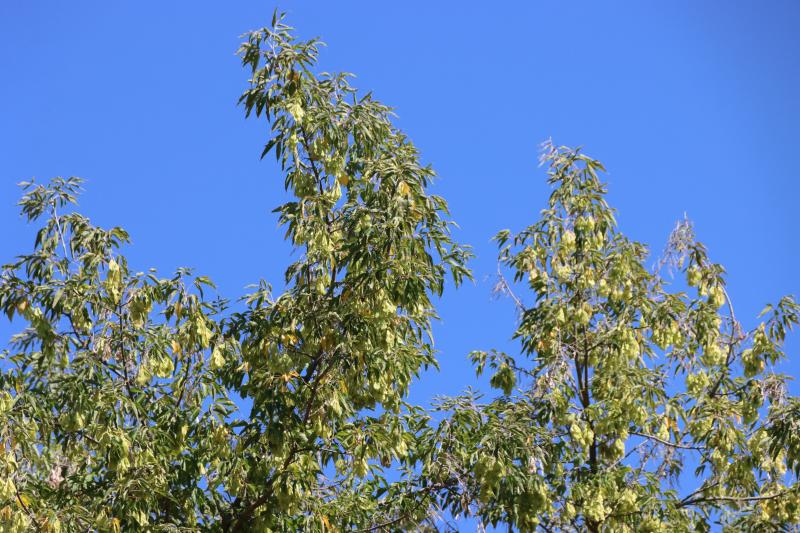
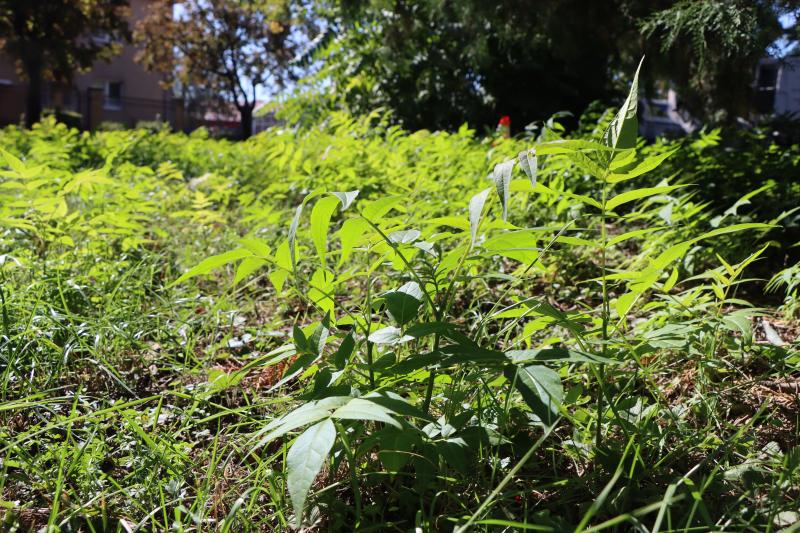
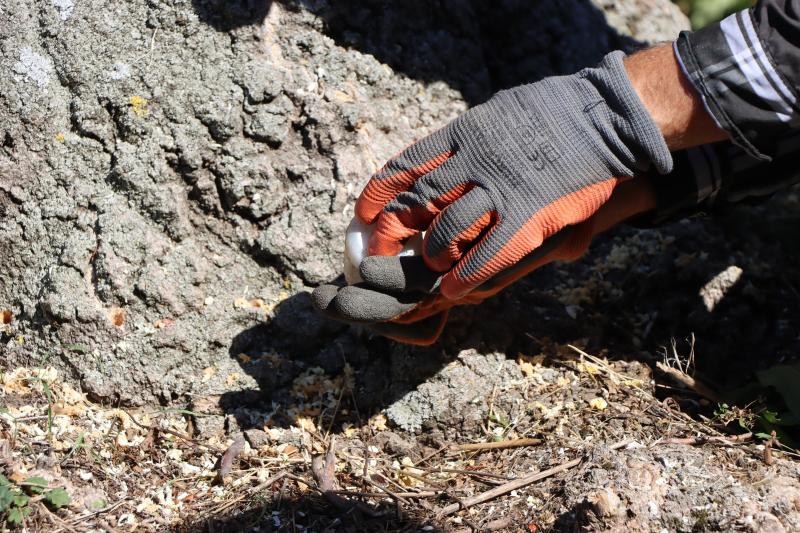
In the first phase, the city focused on the most problematic species, particularly the boxelder maple (Acer negundo) and tree of heaven (Ailanthus altissima). Since simply felling these trees can lead to intensive regrowth from root suckers and further spread, a targeted treatment method was selected. A recommended dose of herbicide is injected into the trees' phloem tissue. During the autumn, the trees transport the herbicide to their root systems. The treated trees are subsequently removed during the winter months.
In the following growing season, the city will assess the effectiveness of the interventions and implement further measures if regrowth occurs. At the same time, it is informing private landowners and the managers of watercourses and transport infrastructure about the occurrence of invasive species on land under their ownership or management.
The project is being implemented in cooperation with the DAPHNE Institute under the Interreg Slovakia–Czechia Programme, co-financed by the European Regional Development Fund. The experience gained will be used to develop a model cross-border strategy that could serve as inspiration for other local authorities in tackling invasive plant species.
Economic benefits
Prior mapping of invasive plant species enables the local authority to use financial resources more efficiently and focus interventions on priority areas. Selecting an appropriate removal method that takes into account the plants' ability to regenerate can help reduce costs associated with repeated interventions. Involving a specialised organisation provides access to expert knowledge when planning and implementing measures. The experience gained and the forthcoming cross-border strategy may also support other local authorities in planning their own measures.
Environmental benefits
Targeted removal of boxelder maple (Acer negundo) and tree of heaven (Ailanthus altissima) helps reduce the occurrence and further spread of invasive plant species within the city. Their control helps reduce competitive pressure on native plant species and supports the protection of natural plant communities and biodiversity. A systematic approach based on mapping their occurrence, setting priorities, implementing targeted interventions and subsequent monitoring provides a basis for addressing the problem more effectively over the long term.
Examples of implementation of the solution in practice
- Mapping the occurrence of invasive plants – The DAPHNE Institute mapped locations where invasive plant species occur within the City of Senica. Approximately 70% of the identified locations are situated on municipal land or extend across both municipal and privately owned land.
- Targeted interventions against boxelder maple and tree of heaven – In cooperation with experts, the city identified priority locations and focused on removing boxelder maple (Acer negundo) and tree of heaven (Ailanthus altissima). The treatment involves injecting a recommended dose of herbicide directly into the trees' phloem tissue, followed by their removal during the winter months.
- Follow-up monitoring and repeated interventions – During the following growing season, the city will assess the effectiveness of the measures implemented. If the trees regenerate, further interventions are planned.
- Cooperation with landowners and land managers – The city informs private landowners and the managers of watercourses and transport infrastructure about the occurrence of invasive plant species on land under their ownership or management, so that they can ensure their removal.
Attachments